Technical knowledge
What does a photovoltaic structure audit cover?
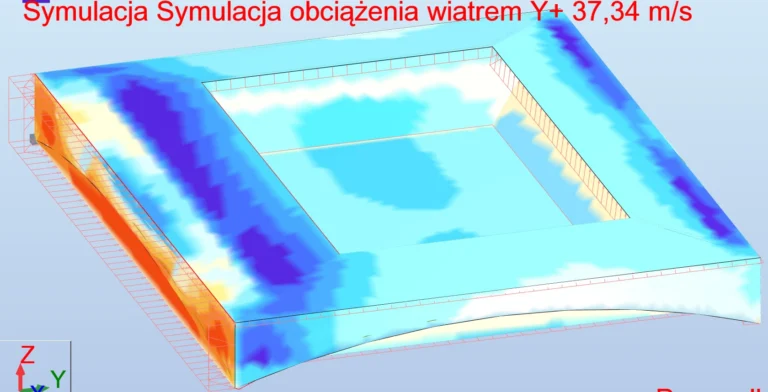
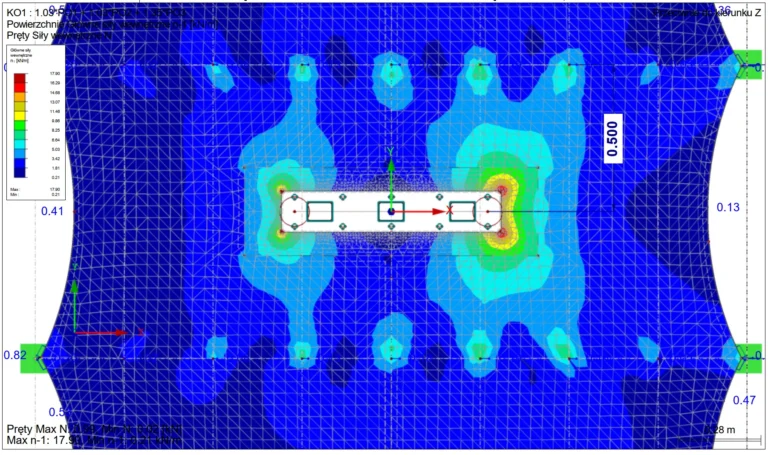
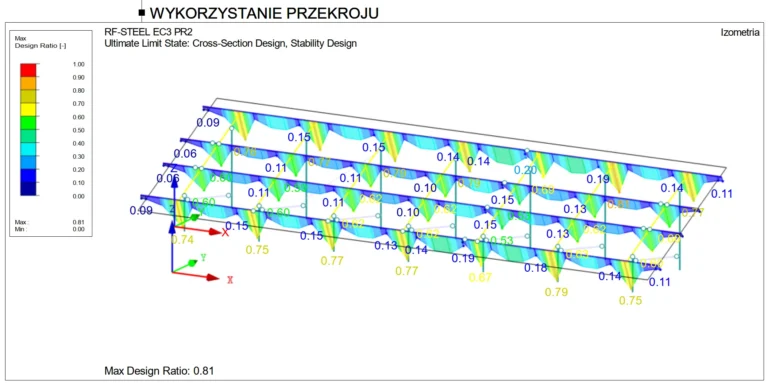
Independent verification of input data, RFEM models, loads, stability and compliance with design codes.
An audit verifies assumptions, models, loads, stability, connections and documentation.
Independent PV structure audits
An audit verifies assumptions, models, loads, stability, connections and documentation.
Reliable engineering starts with confirmed input data, realistic support conditions and load cases appropriate to the project location. A calculation is only as good as the assumptions behind it.
What should be verified?
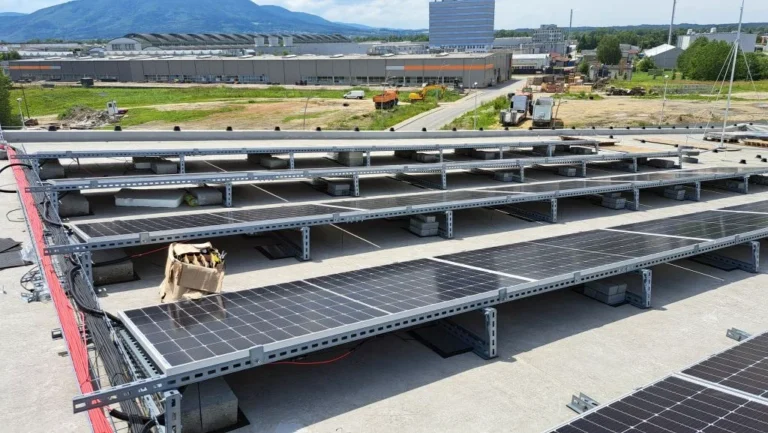
The review should cover global behaviour, local stability, connections, interfaces and the route by which forces enter the existing roof or foundations.
Optimisation must not transfer an unresolved problem to another component. Manufacturing tolerances, installation sequence and inspection requirements also need to be considered.
- project geometry and materials
- wind, snow and relevant combinations
- global and local stability
- connections and support reactions
- clear implementation limits
From calculation to implementation
Results should be translated into drawings, zones, reactions or acceptance criteria that can be used by the installer. A large software report without clear decisions does not provide the same value.
The final solution should state its assumptions and limitations, allowing the design team to identify changes that require renewed verification.
Common issues to avoid
- using incomplete climatic data or load cases
- assuming ideal supports and perfectly rigid connections
- checking isolated components without the complete load path
- issuing results without clear implementation limits
How to prepare the project for review
Send the project location, available drawings or model, planned PV layout and support-system information. Missing data can be identified during the initial review.
We then define the calculation scope and practical deliverables so that the analysis supports a clear engineering decision.
- plans, sections and principal dimensions
- project location and current design stage
- module layout and support-system data
- available calculations and existing documentation
Frequently asked questions
Can SolarStal review a supplier design?
Yes. We can reproduce the essential assumptions and independently verify the model and results.
Do you work outside Poland?
Yes. We use Eurocodes and the national annex applicable to the project location.
Can the scope include implementation documentation?
Yes. Deliverables are agreed to match the project stage and the client’s needs.